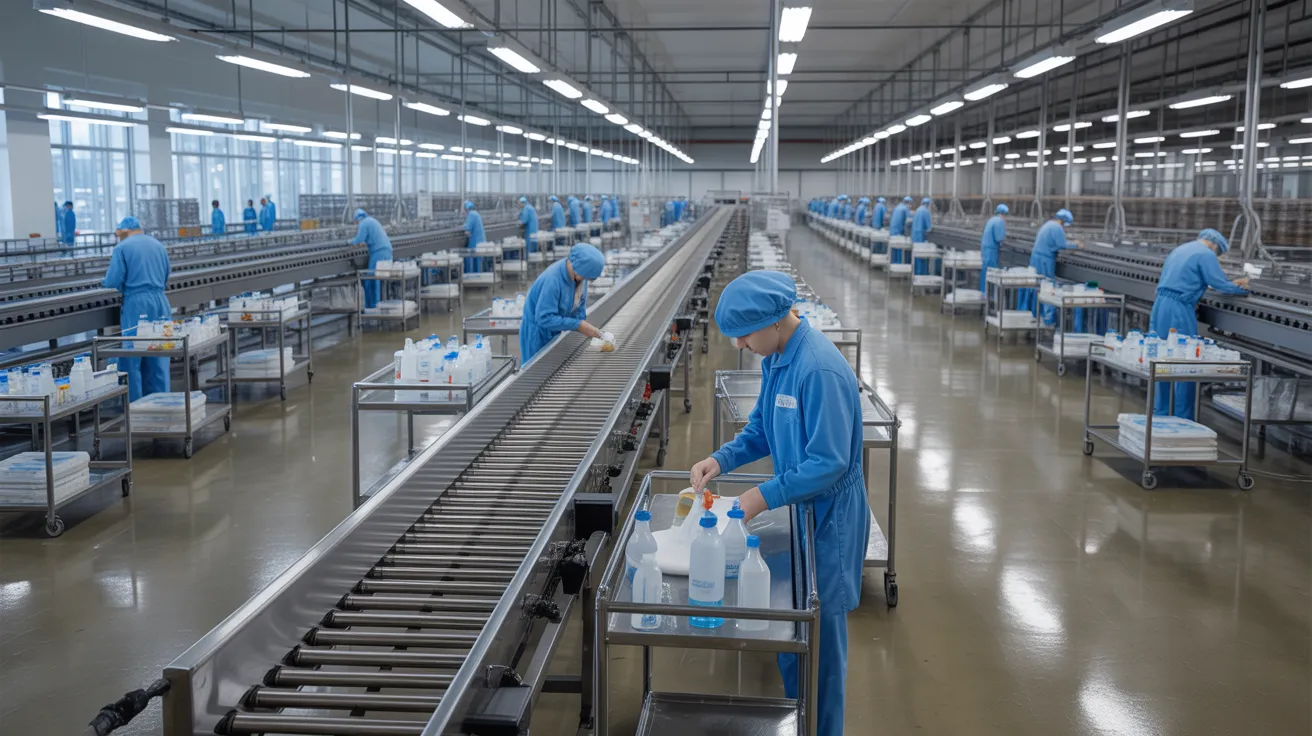
Professional food safety experts located in Brampton help maintain restaurants, food distribution facilities, baking enterprises, warehouses, and food service vehicles in compliance. They disinfect frequently handled areas, food-contact areas, equipment, floors, drains, restrooms, and preparation zones with certified chemicals, at proper strength, and using documented contact periods.
Important Highlights
- Sanitation specialists from Brampton support restaurants, grocery departments, commissaries, warehouses, bakeries, schools, mobile vendors, and allergen-sensitive operations.
- Sectional methods treat frequently contacted areas, food-contact equipment, kitchens, floors, drains, restrooms, and storage areas for eliminating cross-contamination.
- Confirmation of proper chemical concentration, suitability, and exposure duration is performed by qualified contractors, with completion recorded using checks, audits, and correction logs.
- Hygiene calendars should adhere to risk, production volume, transitions, accidents, and requirements, with regular, recurring, and cyclical duties distributed by area.
- Providers ought to demonstrate hazard analysis knowledge, public-health understanding, safety training education, insurance, references, color-coded implements, and assessment-ready hygiene records.
Brampton Facilities That Need Food Safety Cleaning: Which Ones?
You must maintain food safety cleaning if your business is falls under public health review, food regulations, or HACCP systems. This covers dining establishments, employee cafes, distribution hubs, market sections, meat shops, fish stands, retail outlets, and food service kitchens.
Proper sanitation protocols is also needed in supply facilities, manufacturing operations, cold storage areas, bakery retailers, educational nutrition programs, banquet halls, and food delivery hubs. Mobile and temporary operations matter too, including mobile kitchens, market vendors, and seasonal booths. Your establishment requires established hygiene procedures when your team process ingredients, portion ready-to-eat items, reheat products, or store allergens. In Brampton, hygiene continues to be not optional; it forms legal, operational, and consumer protection compliance.
What Services Do Brampton Cleaning Experts Provide?
Your facility requires professional cleaners who disinfect frequently contacted surfaces, cooking and food prep areas, floors, and restrooms to maintain food safety compliance and public health standards. These specific areas are emphasized due to their elevated cross-contamination potential, trip and slip dangers, and breaches of sanitation codes.
When you understand what they clean, you can verify that your facility's cleaning scope meets operational and regulatory requirements.
Important High-Touch Surface Disinfection
assign how often each surface is sterilized
swabbing procedures to check cleaning results
Kitchens, Floors, and Restrooms
Brampton cleaning professionals will address kitchens, floors, and restrooms since each space presents different hygiene concerns, slip-and-fall, and community health challenges. In industrial kitchens, you need grease removal from cooking stations, appliance surfaces, drain systems, preparation areas, and backsplashes to reduce bacterial growth and pest activity.
Floor care that is documented should equally be anticipated. Technicians clean and remove buildup from grout, tile, and vinyl flooring, then apply appropriate drying controls so you can limit falls and meet regulatory standards. They also handle entryways where moisture and debris migrate indoors.
For restroom sanitation, cleaners sanitize high-touch surfaces, bathroom fixtures, stall dividers, supply dispensers, and trash receptacles, then refill items and eliminate smells. They also maintain restaurant cleaning supply rooms where product storage, sink cleanliness, and drain systems impact daily sanitation standards and worker protection.
Food Safety Cleaning Significance for Brampton Businesses
In Brampton, you must maintain food-safe cleaning standards to satisfy health code requirements and achieve compliance. You also reduce cross-contamination by cleaning and sanitizing food-contact surfaces, equipment, and high-touch areas correctly. Most importantly, you safeguard public health by lowering the risk of foodborne illness in your facility.
Food Safety Regulations
Because Brampton food establishments operate under mandatory safety protocols, food safety cleaning directly affects your competence to adhere to health code requirements, ensure the safety of customers, and sidestep enforcement action. You must maintain sanitary food-contact surfaces, documented cleaning schedules, safe chemical management, and traceable training practices that comply with municipal and provincial inspection expectations.
Thorough sanitation documentation help you to show due diligence during compliance reviews and show your methods remain standardized, replicable, and documented. Strong cleaning protocols further promotes allergen control by decreasing particles on joint machinery and regularly touched locations.
Contamination Prevention
Maintaining regulatory compliance copyrights on your power to stop cross-contamination during everyday food preparation and sanitation. You need to partition uncooked items from finished dishes, sterilize work zones between assignments, and store chemicals away from food-contact items. Explicit protocols lower contamination threats and reinforce steady regulatory adherence.
You should implement allergen segregation to keep priority allergens from contacting common work areas, storage bins, or tools. Use dedicated cutting boards, color-coded tools, and careful equipment identification so employees avoid combining products during preparation or service. Require handwashing after handling raw meat, seafood, eggs, or allergen-containing products. Change cleaning rags frequently, and verify sanitizer strength with test strips. When you train staff to follow these controls every shift, you build a more hygienic, secure workplace that satisfies Brampton's safety standards daily.
Community Health Protection
Should food safety cleaning collapse, you don't simply encounter inspection problems—you expand the odds of foodborne illness harming customers, staff, and the wider Brampton population. You also undermine your responsibility in protecting public health, especially in busy food facilities where pathogens travel quickly through surfaces, equipment, and touchpoints.
You depend on sanitation protocols that eliminate contaminants, effectively sanitize, and ensure effectiveness. This entails adhering to contact periods, utilizing authorized sanitizers, recording schedules, and training employees to fulfill health-unit expectations. These initiatives promote disease prevention by reducing microbes before affecting food surfaces or hands. In Brampton, robust sanitation protects at-risk groups, minimizes disease spread, and demonstrates accountability. When you adhere to proper protocols, you exceed requirements—you substantially reduce risk and promote secure food service across the region.
How Can Cleaning Practices Ensure Food Safety Compliance?
Establishing thorough cleaning protocols bolsters food safety compliance by lowering contamination exposure, limiting pathogen development, and positioning your facility in accordance with sanitation requirements under HACCP-based programs and public health regulations. You validate that food-contact surfaces appear visibly clean and microbiologically controlled, backing documented preventive controls and inspection readiness.
Effective cleaning also strengthens allergen mitigation by eliminating residues that can trigger undeclared allergen exposure. by eliminating residues that can cause undeclared allergen exposure.
What's the Ideal Time to Arrange Commercial Cleaning?
maximum production periods, product transitions, spill events
facility closures, seasonal soil accumulation, or times of high pest pressure. If your facility holds promotions, catering, or public functions, arrange cleaning right before and after for optimal event turnaround
What Should You Look For in Brampton Cleaning Experts?
Begin by evaluating providers based on food-safe sanitation requirements—not solely on budget. You should confirm that each organization comprehends CFIA, public health, and HACCP-aligned expectations applicable to your facility. Request insurance certificates, WHMIS compliance, staff training documentation, and oversight procedures. Assess whether technicians recognize cross-contamination risks, chemical handling protocols, and verifiable sanitation records.
Additionally, you need to evaluate service dependability and accountability. Obtain references from food facilities in Brampton, then review response times, corrective-action procedures, and communication standards. Verify the company supports supplier audits and can deliver inspection-ready documentation when inspectors or external parties need proof. Verify equipment is maintained, colour-coded tools are applied correctly, and location-specific evaluation dangers are identified. A qualified provider ensures compliance, product quality, and your reputation.
What's covered in a Food Safety Cleaning Plan?
Develop a written strategy that makes clear every sanitation responsibility, standard, and task before production begins. You should outline cleaning schedules, authorized chemicals, concentration levels, contact duration, implements, and validation techniques for each zone, surface, and piece of equipment. Incorporate pre-operational inspections, corrective actions, and employee training requirements.
Your plan should also include cross-contamination controls, waste handling, pest-prevention measures, and documented schedules for restrooms, drains, floors, and food-contact areas. Clarify how you'll separate raw and ready-to-eat processes, help with ingredient tracking, and copyright accurate allergen labeling through validated cleaning between product changes. You should establish accountability, preserve signed records, and check results against regulatory standards, HACCP controls, and customer requirements. When gaps appear, revise procedures immediately and retrain staff.
Commonly Requested Inquiries
Can sanitation providers support nighttime operations in Brampton properties?
If you manage regulated spaces, you'll also require records that support audits and maintain assurance.
Are emergency spill response solutions provided from Brampton cleaning experts?
Yes, you can locate several Brampton sanitation experts offering spill containment services. They manage hazardous materials, evaluate risks, isolate zones, and perform swift decontamination to reduce exposure and prevent disruption. You should confirm timeframes, certifications, safety measures, and disposal methods. If your facility needs compliance, choose a service that documents incidents, follows procedures, and ensures verification.
Are eco-friendly disinfectants appropriate for food-contact surfaces?
Definitely, green disinfectants work safely on surfaces contacting food if you select products labeled food safe that adhere to regulatory requirements. You must confirm application timing, dilution ratios, and rinse procedures before use. Plant based formulas minimize chemical burden, but you must have evidence of effectiveness against target microorganisms. To keep surfaces residue-free, follow manufacturer instructions exactly and validate your disinfecting agent complies with food industry regulations.
Do sanitation programs allow for production fluctuations?
Certainly, cleaning schedules accommodate production fluctuations successfully. Revise frequencies, labor allocation, sanitizers, and confirmation procedures to match with seasonal patterns while maintaining regulatory requirements. Reduce operational delays through scheduling sanitation alongside line changes, peak volumes, and usage patterns. Concurrently update procedural documents, staff education, and environmental testing to account transient threats, additional allergens, or higher contamination levels. Regular reviews preserve your program effective.
Will professional cleaning services train your staff on hygiene best practices?
Indeed, professional cleaners typically provide staff training on sanitation best practices. Your staff receives training on safe chemical application, exposure durations, cross-contamination prevention, equipment breakdown, and documentation. They generally adhere to instruction with HACCP, GMP, and CFIA or regional health standards criteria. Many perform sanitation audits to confirm standards, reveal issues, and strengthen improvement measures. This supports you in maintain consistent procedures, achieve compliance, and reduce food safety risks each day.
Conclusion
Partnering with Brampton commercial cleaning and food safety experts goes beyond tidying—it ensures your facility stays inspection-compliant and your standards remain compliant. From kitchen areas to production zones, each cleaned area and maintained corner lessens contamination risk and prevents major expenses. By arranging service on appropriate schedules and executing a comprehensive cleaning strategy, you protect staff, your customers, and your reputation. In a tightly controlled market, clean environments can't be overlooked—they're vital to proper management.